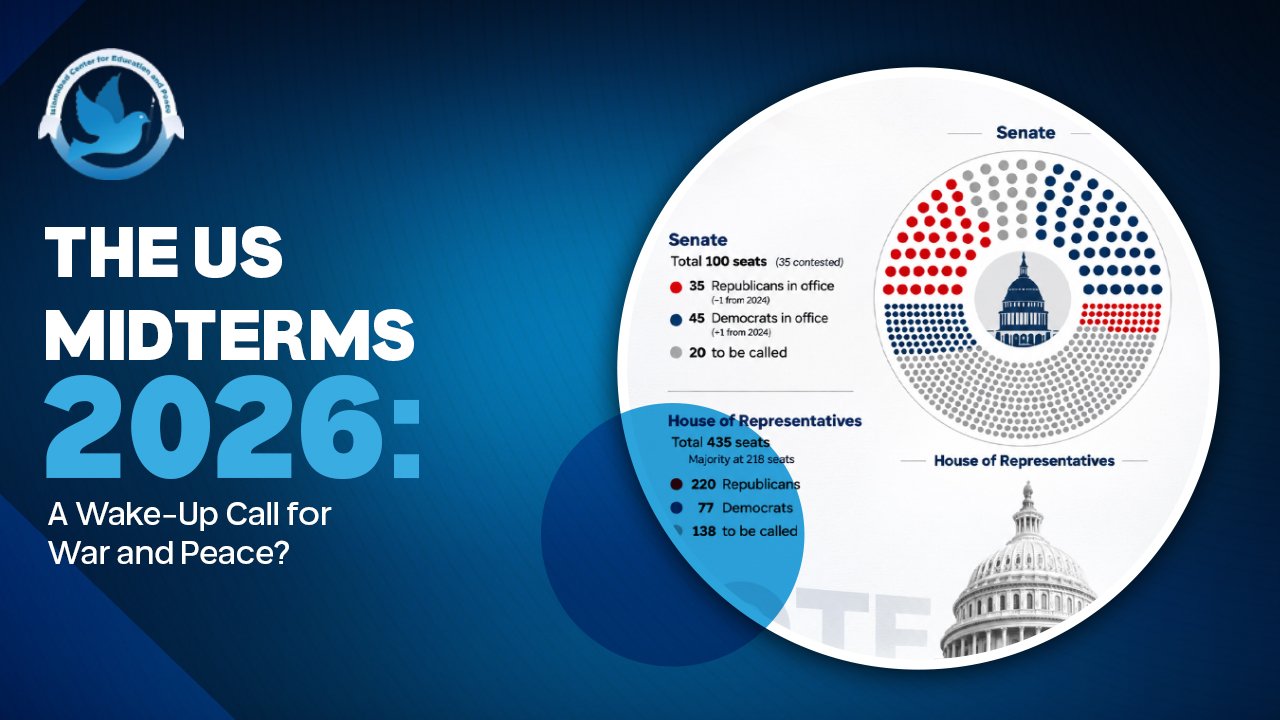

The 2026 midterm elections
for the United States sent a clear message from the American voters. Voters
gave the Democrats a significant political victory by taking over both the
House of Representatives and the Senate, giving Trump and his Republican administration
a crippling political setback. The issues that dominated the campaign at the
ballot box – including the high cost of living, healthcare, and persistent
inflation rarely failed to be present on issues of foreign policy, with a
growing public appetite for oversight on economic and human costs of
international conflict.
The Democratic victory in
both chambers is a new start on the legislative playing field for Washington in
the next two years of Trump's presidency. Voters around the nation expressed
their dissatisfaction with the administration's direction in key swing states,
with the results of those gains being historic. The Democrats will now be in
the majority in both the House and Senate, with the added power to go on
committees and subpoena, and have the key say on spending and legislative
priorities in Washington.
This change of course places
Capitol Hill back in the driver's seat rather than the passengers. The
government will be closely watched on issues of administration, military
spending and executive orders. But when President Trump continues to have the
veto pen and several critical votes in the Senate must be passed by a
supermajority, Washington faces a legislative period of heavy bargaining and
institutional checks and balances.
One of the hallmarks of the 2026 midterm was the clear link voters drew between international conflict and their own economic health. A war with Iran became a key topic of national discussion. In addition to the general security concerns, Americans also saw this war from the standpoint of household costs. Regions of the world like the Middle East, where tensions can arise between countries, have had a direct impact on energy prices and shipping routes. Any disruptions in energy supply chains reverberate through the economy, raising fuel costs, transportation, agriculture, manufacturing, and consumer goods. Millions of working families felt the impact of military decisions overseas as inflation.
Peace was not just a diplomatic wish it was an economic priority, as voters indicated. The electorate is still pro-national security, but they are increasingly demanding that the executive branch spell out the financial consequences, goals, and plans for foreign interventions. President Trump's agenda on taking office was to focus on domestic issues and refrain from getting involved in long-term foreign entanglements. But as the war in Korea intensified, the gap between the campaign rhetoric and the foreign policy delivery became more pronounced. In the interim the midterm results give Congress a lot of room to review the administration's foreign policy. Midterms often have acted as referendums on unchecked executive foreign policy in the past, as the 2006 midterms were a referendum on the Iraq War. In the future, the new congressional leadership will push for more openness in defense budgets, the War Powers Resolution, and the legal issues of military engagements.
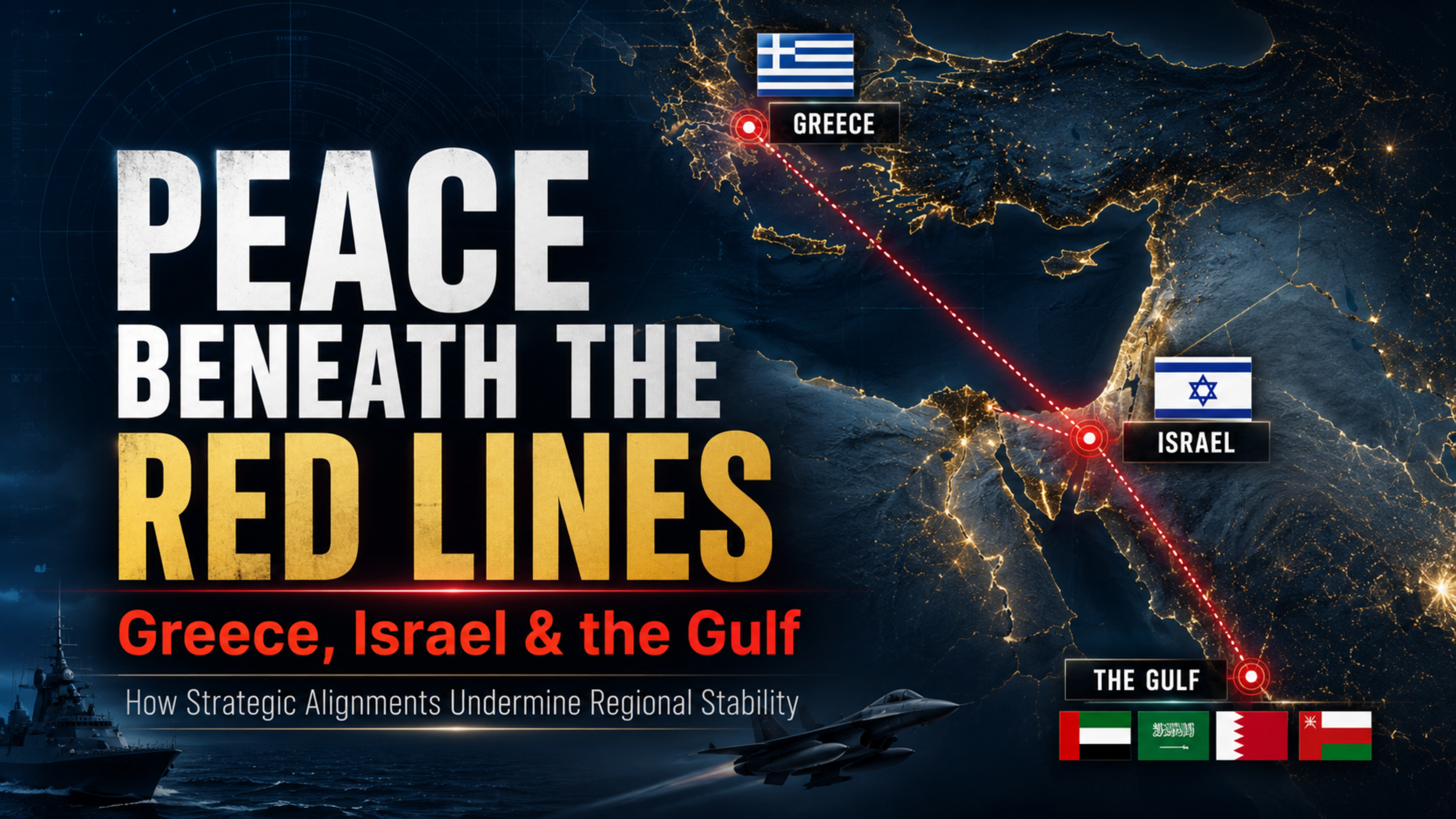
The election result adds to
uncertainty and potential avenues for diplomacy for global allies and regional
stakeholders in the Middle East. Regional partners focused on stability,
including Oman, Qatar, Saudi Arabia, and the UAE, will watch to see whether
greater oversight of Congress makes it more likely that Washington will push
for de-escalation and diplomacy in the region rather than additional military
action.
The upcoming midterm
elections in 2026 are not just about a change of leadership and a new Congress,
but also a call for strategic accountability. The Democratic win is no sign of
an end to the military posture, but it does give a clear mandate for foreign
policy that accounts for the nation's security goals and economic impacts. The
question now facing Washington is whether divided government results in
constructive discussion and diplomatic solutions, or more legislative deadlock.
Diplomacy and fiscal prudence in the use of military force will be essential
for ultimate stability, not just at home, but abroad as well.