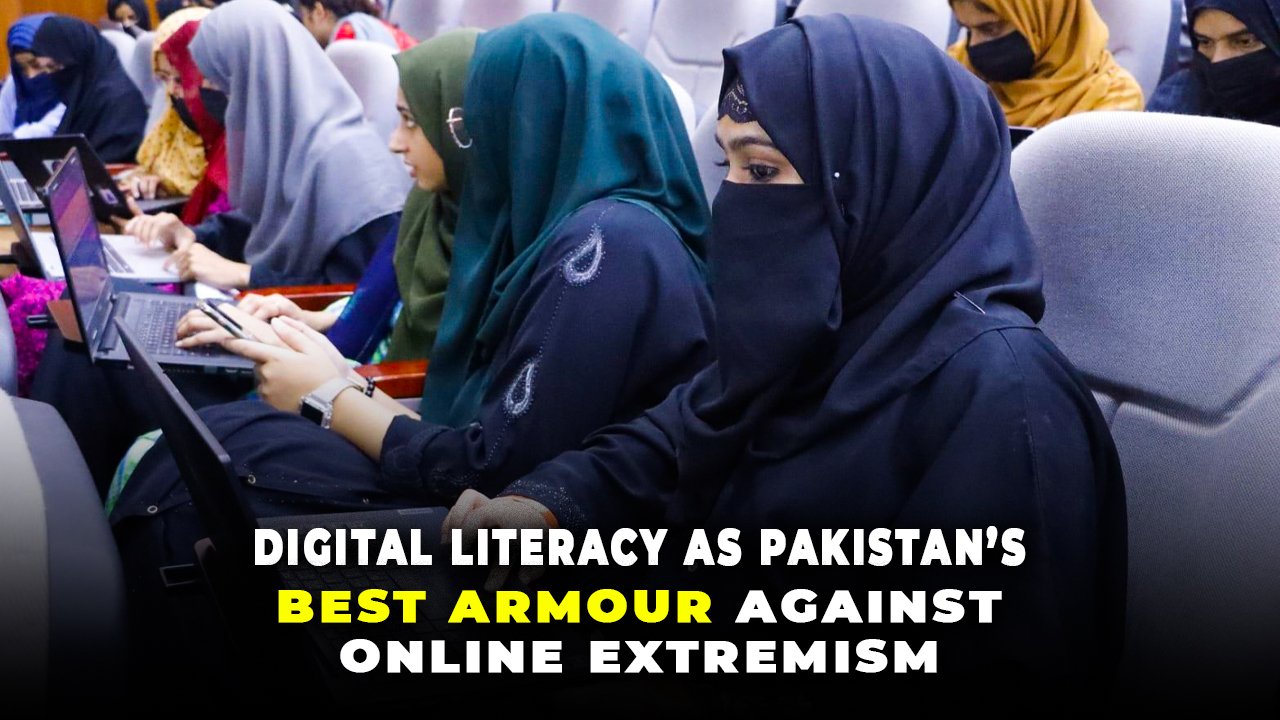
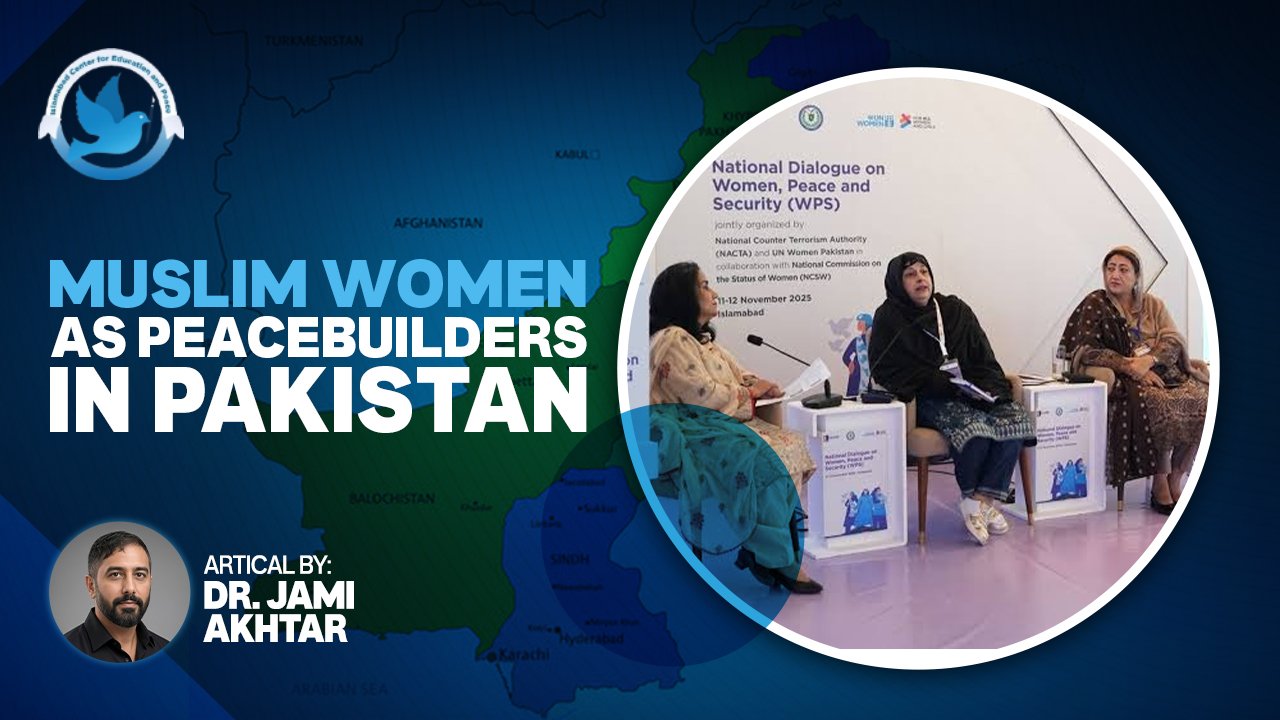

Despite growing recognition of women’s agency in global peacebuilding, Muslim women remain underrepresented in formal peace processes across South Asia (UN Women, 2023). Pakistan, shaped by religious plurality and extensive counter-terrorism operations in its northwestern borderlands, offers compelling counterevidence. Across its diverse landscapes, Muslim women leverage faith, cultural authority, and community trust to sustain stability where institutional reach remains limited.
The legacy of women’s peacebuilding in Pakistan is anchored by pioneers such as the late Asma Jahangir, whose tireless advocacy for interfaith harmony and constitutional rights laid the groundwork for subsequent generations, and Hina Jilani, whose legal defence of marginalised communities and service as the UN Secretary-General’s Special Representative on Human Rights Defenders exemplify the global resonance of Pakistani women’s peace activism (Jilani, 2019). Their contributions demonstrate that Muslim women have long operated at the vanguard of conflict resolution, even when formal recognition lagged behind.
Pakistan’s adoption of its National Action Plan on Women, Peace, and Security in 2022 marked a significant institutional milestone (Government of Pakistan, 2022). At the provincial level, Fauzia Viqar, as former Chairperson of the Punjab Commission on the Status of Women, was instrumental in translating the WPS agenda into actionable provincial frameworks, while Dr. Fouzia Saeed advanced social cohesion through cultural diplomacy during her tenure at Lok Virsa, Pakistan’s national institute of folk heritage.
At the grassroots, the contributions are equally remarkable. In Khyber Pakhtunkhwa and the former Federally Administered Tribal Areas, Mossarat Qadeem’s PAIMAN Alumni Trust mobilises mothers as early-warning agents against youth radicalisation through its “Tolana” (Pashto: together) model, constructing counter-narratives grounded in Islamic ethics of compassion (rahma) and justice (adl) (USIP, 2019). Complementing this, Nigar Nazar — Pakistan’s first female cartoonist — deploys visual storytelling and comic-based curricula to inoculate youth against extremist ideologies, demonstrating the versatility of women-led peacebuilding across creative domains (Nazar, 2015).
In dispute resolution, Tabassum Adnan’s Khwendy Jirga in Swat Valley, established after the region’s liberation from Taliban insurgency through sustained national efforts, broadens participation beyond historically male-dominated forums (UN Women, 2015). Similarly, Razia Mehsud’s appointment as the first female member of the Dispute Resolution Council in Upper South Waziristan represents a landmark in tribal justice, enabling women to access mediation mechanisms previously inaccessible to them. Meanwhile, Bushra Gohar, a Pashtun peace activist and former parliamentarian, has persistently advocated for the inclusion of tribal women in national security dialogues, while Mussarat Hilali, a Peshawar-based human rights lawyer, provides critical legal aid to conflict-affected women across KP.
These cases reveal a consistent pattern: Pakistani Muslim women peacebuilders derive their efficacy from the intersection of religious credibility, community embeddedness, and culturally grounded strategies of islah (reconciliation). Their work is not a Western import but an indigenous practice rooted in local realities. As Pakistan navigates evolving security challenges, integrating these women’s expertise into national frameworks — through sustained investment, institutional protection, and genuine inclusion — remains both a moral imperative and a strategic necessity. Durable peace cannot be constructed by half the population alone.