

Every morning, millions of young Pakistanis begin their day by looking at the screens of their mobile phones. Within a few moments, they read the latest news, watch videos, express their opinions, and interact with others online. These few moments determine whether digital media will spread hatred or promote peace, create division or strengthen unity. Today, the future of Pakistan is shaped not only in parliament, courts, or educational institutions but also on the screens of smartphones. Digital media refers to all online platforms through which people access information, communicate with others, and share their ideas. It is not merely a source of entertainment or news; it also influences people's attitudes, opinions, and social behavior. In a country like Pakistan, where the majority of the population is young, using digital media to promote peace, tolerance, and national unity is no longer a choice it is a necessity.
Many people believe that peace simply means the absence of war or conflict. In reality, peace is much broader than that. It means respect for others, tolerance, dialogue, justice, and the ability to live together peacefully despite differences of opinion. When young people embrace these values, they help build a stronger, more united, and peaceful society. This raises an important question: How can digital media contribute to peace-building? Social media enables young people to learn about human rights, mental health, education, environmental protection, and other important social issues. Awareness encourages positive thinking and responsible citizenship. Today, a person can communicate with people from different provinces, cultures, languages, and backgrounds without leaving home. Such interactions help young people understand different perspectives, develop tolerance, and promote harmony. When individuals with different beliefs work together and engage in respectful dialogue, unity becomes stronger.
Digital platforms have also become powerful tools for social campaigns. Initiatives related to women's rights, flood relief, blood donation drives, tree plantation campaigns, and mental health awareness reach thousands of people through social media. These campaigns encourage cooperation, compassion, and social harmony. More importantly, digital media allows young people to raise their voices peacefully, share their concerns, and suggest practical solutions to national issues. This opportunity was far more limited in the past. One of the best examples is the devastating floods that struck Pakistan in 2022, leaving millions of people affected and homeless. During this national crisis, thousands of young volunteers used social media to organize fundraising campaigns, collect donations, and provide food, clothing, and essential supplies to flood victims. Many also travelled to the affected areas to participate in relief activities, demonstrating how digital media can inspire humanitarian action and community service.
Similarly, digital media has provided a platform for campaigns supporting women's rights and gender equality, including the Aurat March. In recent years, young people have also used social media to demand justice and raise awareness about important social issues through peaceful online campaigns. At the same time, many youth-led initiatives continue to promote mental health awareness by encouraging open conversations and reducing social stigma. These efforts show that digital platforms can be used responsibly to encourage constructive dialogue instead of conflict. However, digital media is a powerful tool, and every powerful tool comes with responsibility. While it has the potential to promote peace and unity, it can also spread misinformation, hate speech, cyberbullying, and rumors that divide society. False information shared without verification can create misunderstanding, fear, and hostility among communities. This is why media literacy has become essential for today's generation.
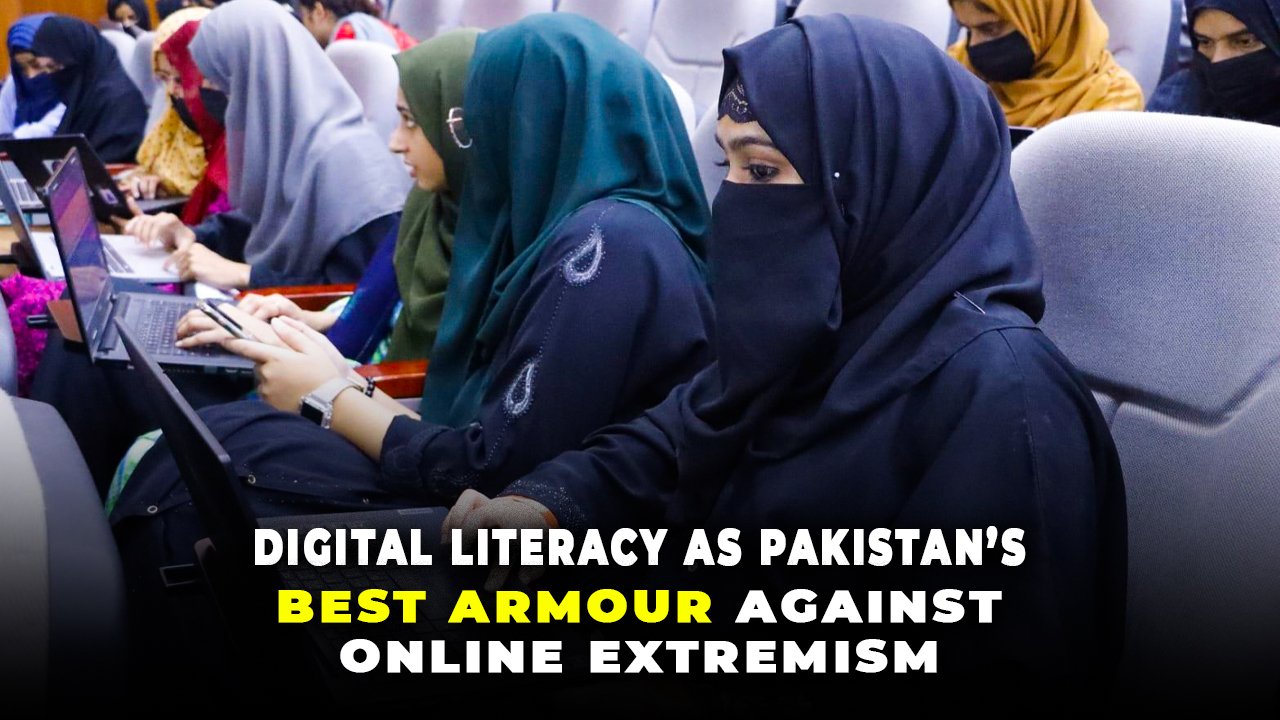
Media literacy means that people should not believe every news report, video, or social media post without verification. Instead, they should critically evaluate information, confirm its authenticity, and avoid sharing unverified content. Fact-checking before forwarding information is one of the simplest yet most effective ways to prevent the spread of misinformation. In today's digital age, media literacy is no longer just a useful skill; it is a fundamental necessity. Educational institutions should organize seminars, workshops, and training sessions to promote responsible digital media use and media literacy among students. Young people should be taught how to verify information, recognize fake news, and think critically before sharing online content. Social media influencers also have an important role to play by promoting positive, responsible, and constructive content instead of sensationalism. Such efforts can help create a generation of informed, responsible, and peace-loving digital citizens.
In my opinion digital media is neither inherently positive nor negative. Its true impact depends entirely on how it is used. If young people use digital platforms to promote knowledge, tolerance, dialogue, and social service, these platforms can become powerful instruments for strengthening peace, national unity, and social harmony in Pakistan. The future of Pakistan lies in the hands of its youth, and the future of its youth is closely connected to the digital world. If we educate young people to become responsible digital citizens, promote media literacy, and encourage them to create positive online content, digital media will become much more than a source of information. It will serve as a strong pillar for building peace, trust, unity, and a better Pakistan for future generations.