_5920.jpeg)
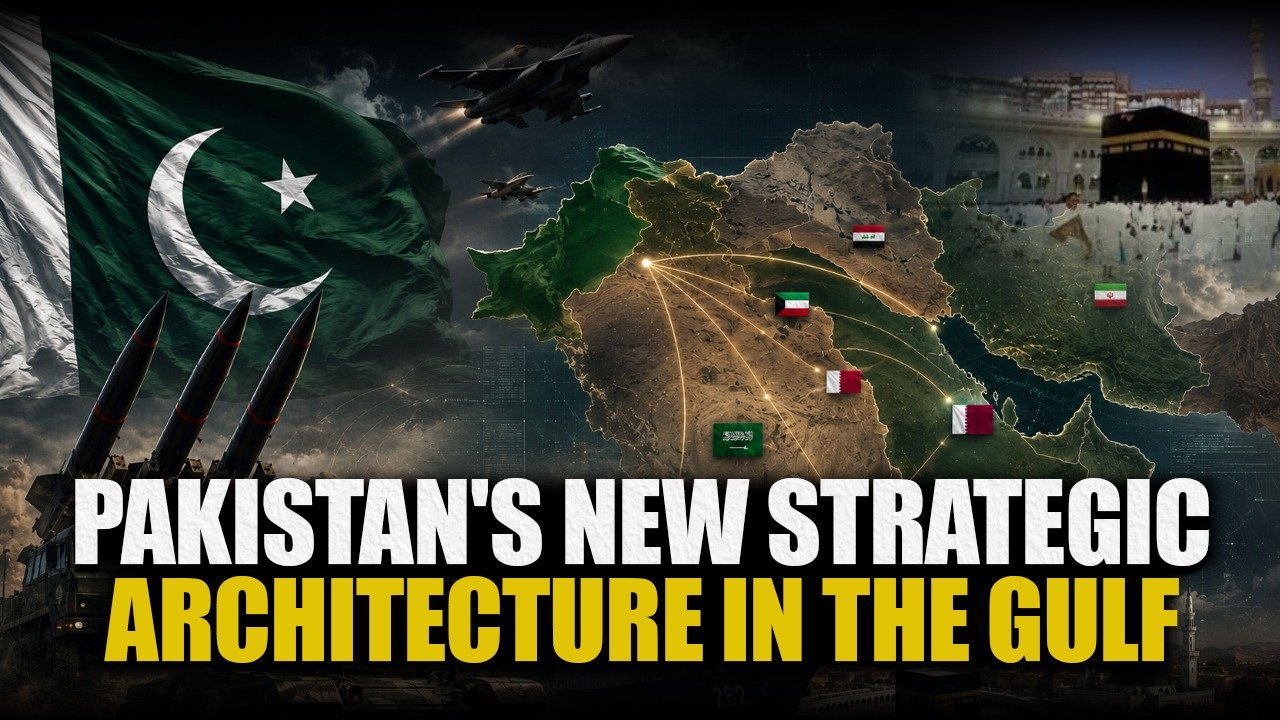
Director General Inter-Services Public Relations (ISPR) Lt. Gen. Ahmed Sharif Chaudhry has termed the Makkah Defense Alliance signed by Pakistan, Saudi Arabia and Türkiye as a defensive pact based on collective deterrence saying the agreement has no regional expansionist or aggressive intent. Lt Gen Chaudhry said the deal is a formalization of Pakistan's long-standing ties with Saudi Arabia and Türkiye in the field of collective defense and deterrence in an interview with Al Arabiya English programme Global News Today. He stressed that the partnership cannot be seen as a hostile bloc or a pact that would be in conflict with other international partnerships.
The military spokesperson said the pact is designed to contribute to the constructive cooperation between the trio of nations without any conflict with their bilateral and multilateral relations. He said Pakistan, Saudi Arabia and Türkiye have their own relations with other nations and international groups and the new concept is meant to complement these relations and not supplant them. In response to the question about the mutual-defense provision, Lt Gen Chaudhry referred to the publicised text of the agreement, which had made sure that the commitment was clear. An armed attack on any one of the three members would be considered an attack on all three members.
He did not, however, discuss how this would be done in a particular conflict. Normally, operational arrangements and military actions remain classified and were not explained in detail to the public in this case, he said. The three countries involved in the alliance will decide on the practical implementation of this collective defense based on the circumstances, he said.
On a query regarding the possible impact of the Makkah Defense Alliance on Pakistan-China ties, Lt Gen Chaudhry responded, "It's complementary to Islamabad-Beijing ties. He emphasized that the ties between Pakistan and Saudi Arabia and Türkiye are not based on the new agreement alone and have been ongoing. He noted that the formalization of such ties via a defense mechanism does not stop the three nations from having good relations with China. The comments are made as the three countries press forward with the institutionalization of the alliance. On August 31st in Istanbul, the members agreed to enhance collective deterrence and defense and Pakistan was elected as the initial leader of the secretariat of the alliance for a three-year period.
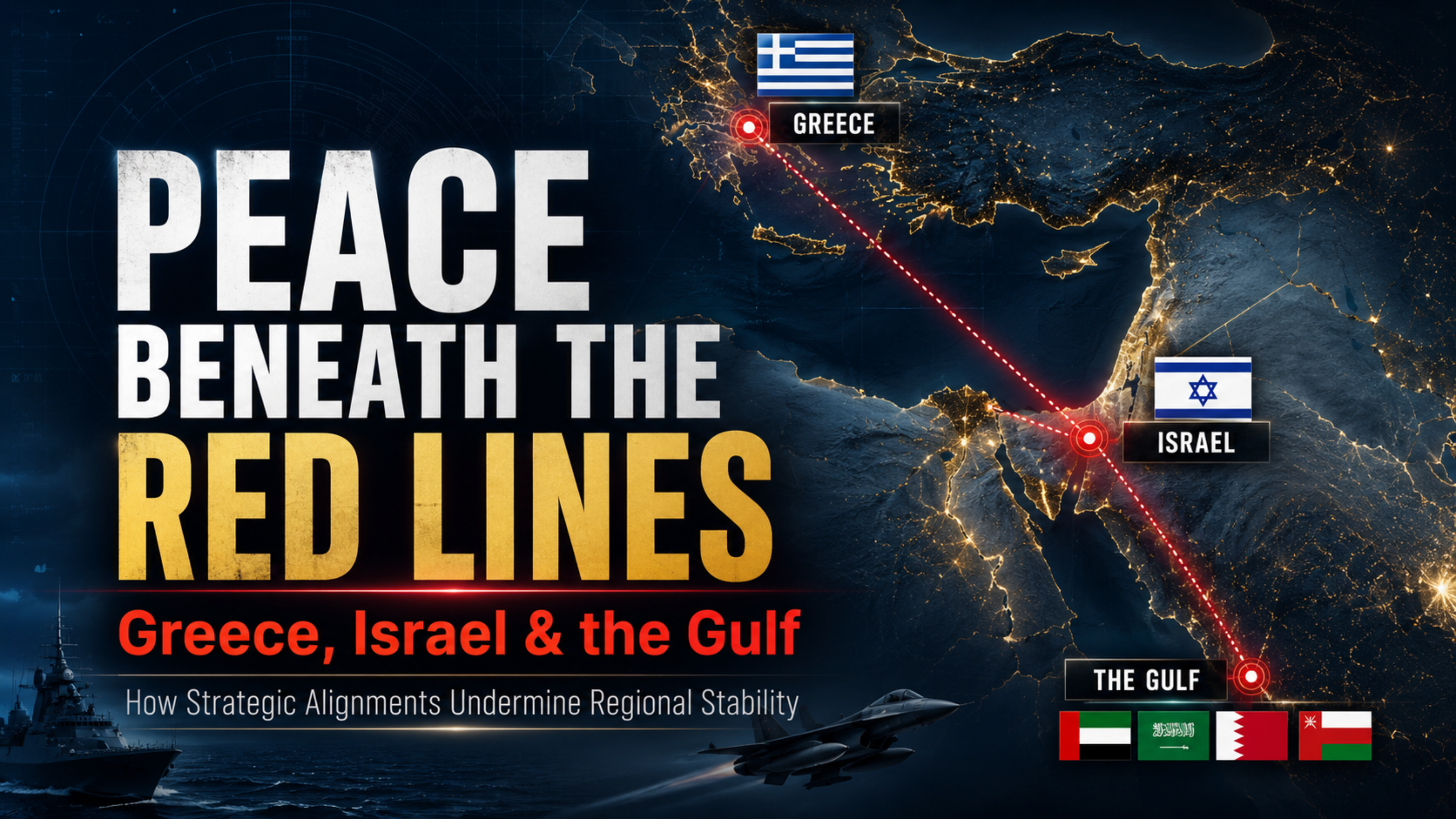
Lt Gen Chaudhry also touched upon the rumors of the Makkah Defense Alliance, in the context of the possibility of its becoming a military alliance of the Muslim world. He explained that the grouping is not necessarily an alliance of Muslim countries and the agreement itself did not read as such. Rather, it has its focus on regional stability, peace, non-aggression, non-interference and collective deterrence. He said that if more nations came on board it would be a result of the decisions taken by the leadership of Pakistan, Saudi Arabia and Türkiye. Future partners, he said, will have to adopt the central tenets and goals of the alliance on regional security.
Since the signing of the pact, however, expansion has been a topic of discussion. Previously, Türkiye had already stated that other countries might join, and Pakistan's Foreign Office has more recently added that the expansion of the alliance is not on the agenda—however, its institutional structure is first to be consolidated.
The interview also included Pakistan's diplomatic efforts related to the strain between the United States and Iran, and if the defense pact would pose a challenge for Islamabad in its relations with Tehran. Lt Gen Chaudhry did not agree with that, stating that the Makkah agreement was a formalization of the existing strategic relations and not against any other country. He said that the Pakistan Government was concerned about the peace and stability of the region, which is why they were interested in the mediation process. Pakistan has had relations with a very broad spectrum of countries, and it is in its belief that it can play a role of an objective, credible mediator in Pakistan, he added.
He emphasized the need for objectivity in mediation and
cautioned against taking public stances that could taint the mediation process.
He said the political and military leadership of Pakistan was in touch with the
relevant parties with the intention of trying to reach a peaceful settlement,
instead of war being the only alternative.
_6784.jpg)