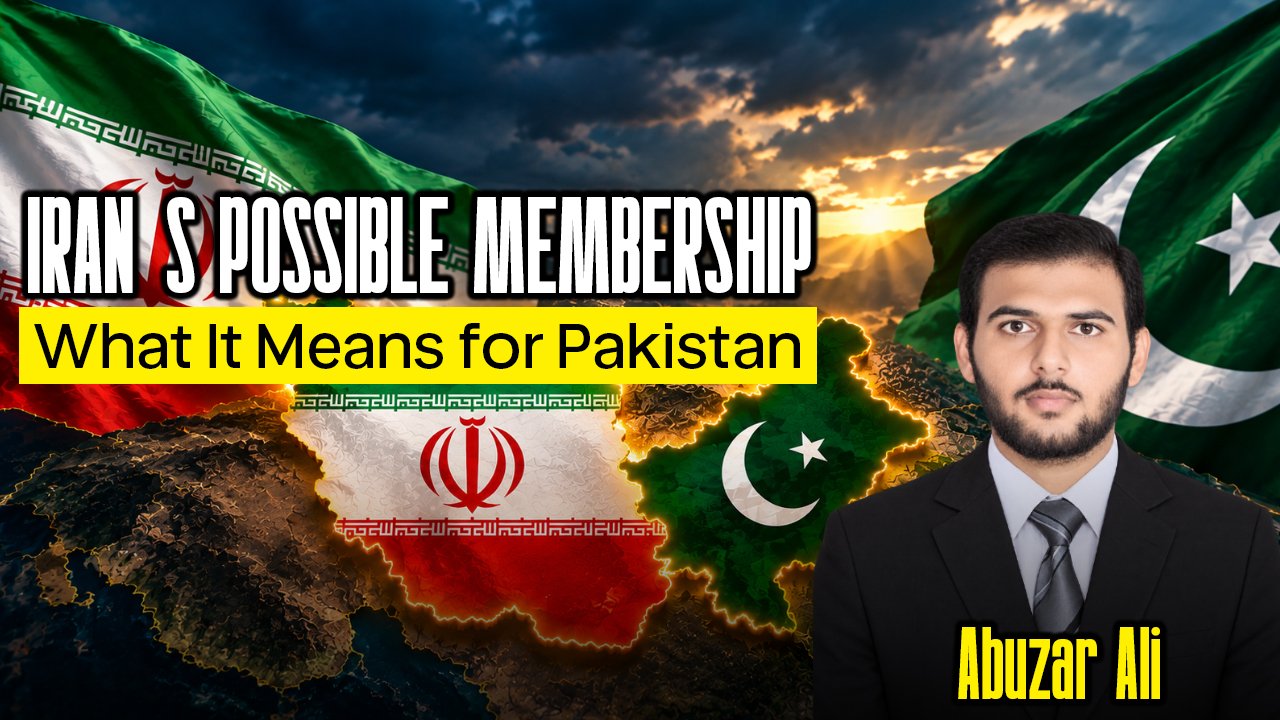

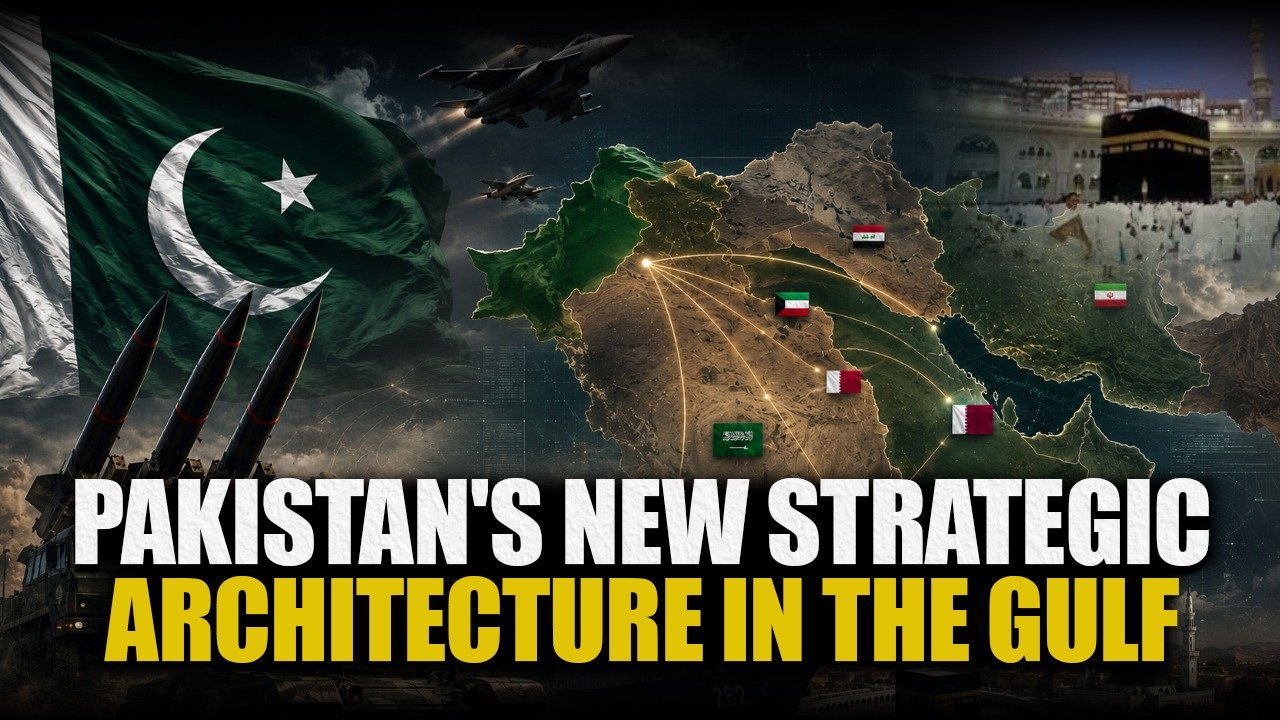
The most significant test of the Makkah Joint Defence Agreement that was signed in Al-Safa Palace on August 7 by Saudi Arabia, Turkey and Pakistan could be underway already, only weeks after the agreement was signed. Iranian parliamentary sources have announced that Tehran has been invited to join what the region is already dubbing an “Islamic NATO.” It is under review, Iran says. The review deserves much more attention in Pakistan one of the three founding signatories and the only nuclear power among the three, than it has received thus far.
The Makkah Pact was not intended to be a trilateral pact. Its founders laid the groundwork for a mutual-defence clause similar to Article 5 of NATO which says that an attack on one member is an attack on all, they also repeatedly and publicly declared that the coalition would not be an “exclusive club.” The Egyptian membership has been floated by Turkey. Bangladesh has already expressed interest. An invitation to Iran is a different story, however. It is not just a broadening of the pact but it turns on its head the logic that led to it.
That thinking stemmed from the six-month conflict with Iran and the terror it created among the Gulf states that had begun in the United States. Saudi Arabia had inked a mutual defense agreement with a nuclear-armed Pakistan in September 2025 partly because Riyadh was looking for a bulwark against just the sort of regional escalation that Tehran had shown it can launch. The Makkah Pact a year later translated that argument into Turkey. To invite Iran into such an architecture would be to have three states that constructed a shield partly with Iran in mind stand shoulder to shoulder with it. Riyadh's calculus might be changing a deal that will neutralise Iran as a threat defying their own calculations is not new to statecraft but the incongruity is factual and will not be forgotten in the Gulf capitals still recovering from the war of the Houthis.
For Pakistan it's a different ball game. For the last two years, Islamabad has been striving to keep its economic and security ties in equilibrium with Riyadh keeping its ties with Tehran friendly but still wary of each other and eschewing open alignment on the larger US-Iran and Saudi-Iran rivalries. In one way an Iranian seat at the Makkah table would make that balancing act much easier Pakistan would not have to balance its two western neighbors in that extreme manner. It would also involve Islamabad in a much more complicated set of commitments, however. A mutual-defense pact with Saudi Arabia and Turkey would, if Iran were among Pakistan's guests potentially involve Pakistan in Iran's wars including a renewed feud with Israel and the United States with which Pakistan has thus far done its best to remain neutral.
There's also the India question that Pakistani discourse often passes over when it comes to the Gulf. The formation of the Makkah Pact has left the New Delhi government with mixed feelings and Islamabad has already interpreted Bangladesh's eagerness to join as a welcome 'complication' on India's eastern flank. It would make that unease a lot more pronounced in the case of an Iran inclusive pact India's own carefully nurtured relationship with Tehran which hinges on developments involving the Chabahar port and energy projects, would be put under greater pressure if Iran and Pakistan sealed a defense deal. It is important for Islamabad not to interpret this as being good for them only. A bigger more assertive Islamic security organization calls for a bigger, more assertive response from India and perhaps from Washington which has so far described the Makkah Pact as a stabilizing move because Tehran has not been part of it.
All of this does not imply that Pakistan should object to Iran's admission in any way. An inclusive regional security arrangement that mitigates Sunni-Shia bloc politics, provides Tehran with an incentive for stability over disruption, and provides for de-escalation in principle, is the security arrangement Pakistan's officials say that they hope to ultimately achieve. Iranian authorities have made similar points about the invitation – that it is an opportunity to create a mechanism that “identifies threats correctly” and “narrows down the room of other actors to exploit sectarian and national differences. That framing cannot just be attributed as Tehran's.
The one thing that Pakistan can't afford is drift see Iran's membership as a decision between the Saudis and the Turks to approve or reject instead of a shift in the structure of the treaty, to which Pakistan is a signatory. Islamabad's own mutual defense commitments its border security with Iran, its relations with the Sunni monarchies of the Gulf and its desire not to be drawn into an Iran-Israel-US tangle all point to a clear well-stated Pakistani position in advance of Tehran's response rather than after. The Makkah Pact was presented to the Pakistani people as a shield not a sword. It may not be determined by what Riyadh and Ankara chose to do but whether Islamabad is adamant that it be done so at least in the way it defines the terms of the shield's expansion.
_6784.jpg)