
When tensions escalate between hostile nations, public rage and demands increase. The leaders’ harsh implications and boundaries make it difficult for both sides to reach any peaceful decision. This is what happened between Washington and Tehran during their conflict that started early in February 2026 and continues. The deeper mistrust between the two made it impossible for both to sit and talk about the matter directly. Starting peace talks by any leader makes him look weak; this keeps pushing both sides into a dangerous trap that can lead to full-scale war.1
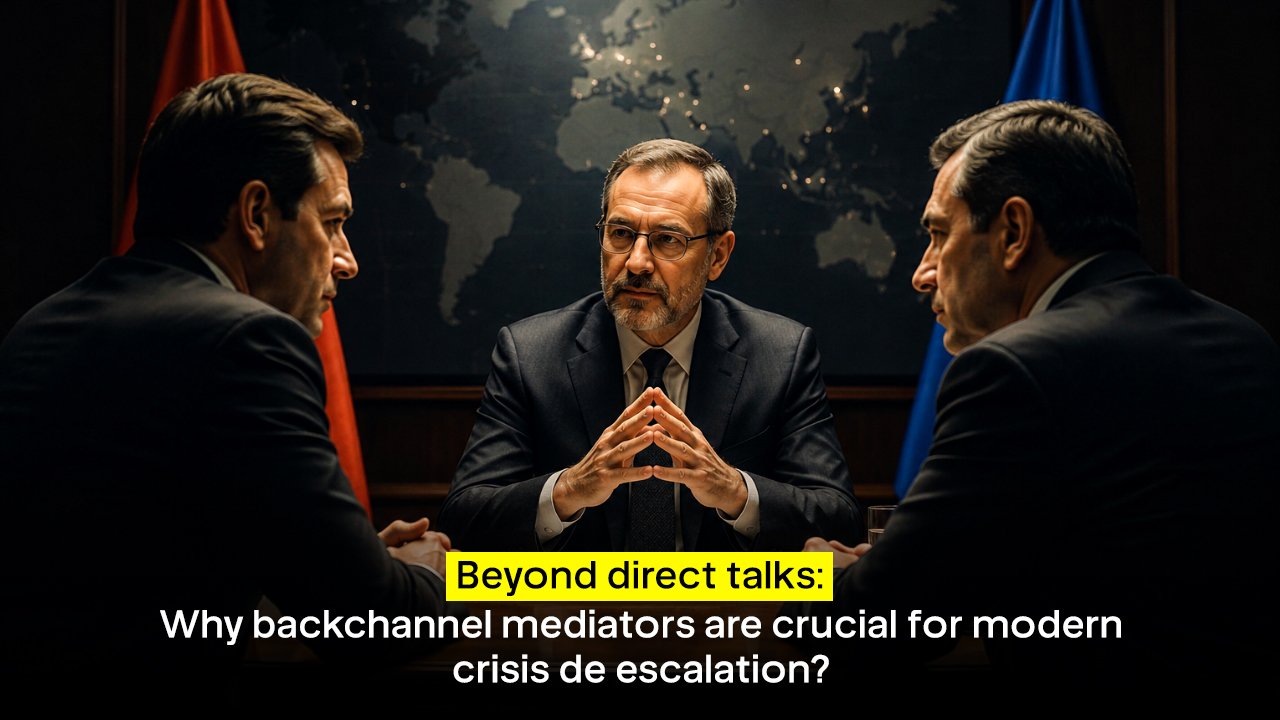
However, in this situation where direct talks are nearly impossible, quiet diplomacy usually works hard to maintain peace. When official doors are locked the backchannel mediation by neutral middle states plays a very important role in preventing disastrous war. To understand the communication of two nations during a crisis situation, it is crucial to know about secret talks. The concept of Signaling theory in political science shows that if two confronting nations talk in public, their messages are full of political threats. It becomes difficult for both to understand what each side wants. So a trusted mediator plays the role of a crucial filter that, through private channels, shuttles the messages between two confronters.3
These secret
communication channels crucially give leaders plausible deniability. If they do not
accept something in private from the other party, they could easily
deny it without
losing face in front of their voters. This gives them another chance to
try again in future. There is another critical factor in the resolution of conflict,
and that is timing. For this, the political
expert William Zartman gave “ripeness theory”. It says that two confronting
parties rarely reach any peace agreement until they have to face “mutually hurting
deadlock”. At this point, both
parties avoid retreating to escape political embarrassment. It is where
middle powers step in to practice “Niche diplomacy”. Middle powers are the
nations that hold specific geographic and democratic positions. They don’t
force any big peace treaty overnight; however, they mediate
by focusing on small practical steps. Middle powers basically develop niche diplomacy tools to resolve
rising tensions between global powers to gain influence in the international
arena.
The MoU signed between Iran and the US in Islamabad on June 17 is an example of niche
diplomacy practised by Pakistan. It was aimed at settling down the
rising tensions between Washington and Tehran.
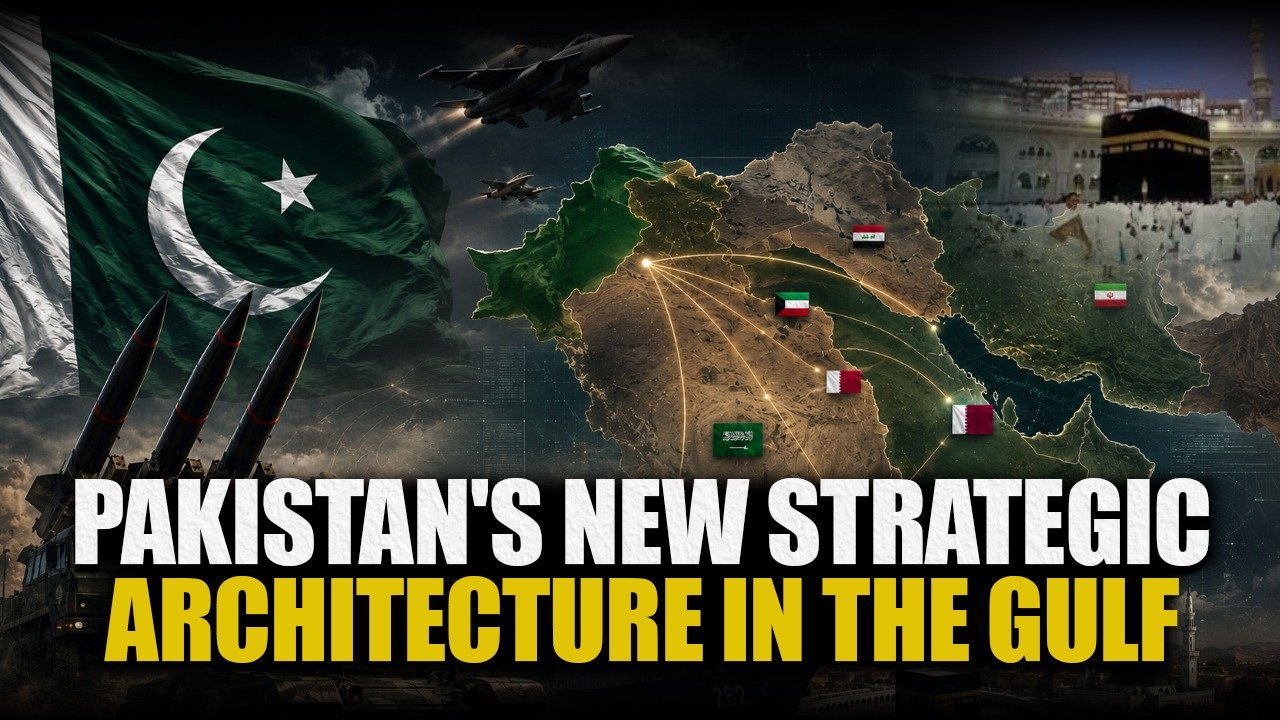
Pakistan, as a middle power,
played the role of a bridge between
the two. It is the country that shares the 1000 kilometers long
border with Iran; however, it also maintains strong political and security
connections with the US.
Pakistan's
efforts to bring peace in the region are not just out of kindness; however, the
war can have a great impact on its economy. War uses the resources that can be
used for economic growth. According
to Pakistan's Ministry of Economic Affairs, the weekly
import bill has increased by 167 per cent.8 Also, the continued
escalation can push 4.3 million people into poverty. A full-scale war can
disrupt regional trade, increase oil prices and increase instability across Pakistan's borders.9
Just as the secret mediation by Pakistan
between the US and China in
1971 helped keep peace, that time also helped Pakistan today to keep
its economy and security protected.
Quiet diplomacy
and secret negotiations can not always be productive, as they have limitations.
The mediator can not force two parties to sign peace agreements. However, the two confronting parties can break an agreement
at any time and continue
the conflict again. As the US and Iran did after peace
talks, did the strikes again. Along with
that, secret negotiations can also be spoiled by groups that want the
full-scale war to happen.
In today's
hyper-connected global landscape, where public political disputes can rapidly
escalate into conflict, traditional diplomatic efforts often reach an impasse.
In instances where direct communication proves
ineffective, secret backchannel mediation serves as a vital conduit for
fostering international peace. By alleviating public pressures, mitigating
incendiary rhetoric and establishing a secure environment for candid dialogue,
neutral third parties, such as Pakistan, provide an indispensable service. They
play a critical role not only in relaying messages but also in averting
miscalculations that could lead to unnecessary conflicts. Ultimately, while
backchannel negotiations cannot, by themselves,
ensure enduring peace, they represent
the most effective mechanism available for de-escalating tensions when major powers approach the brink of crisis.
_6784.jpg)