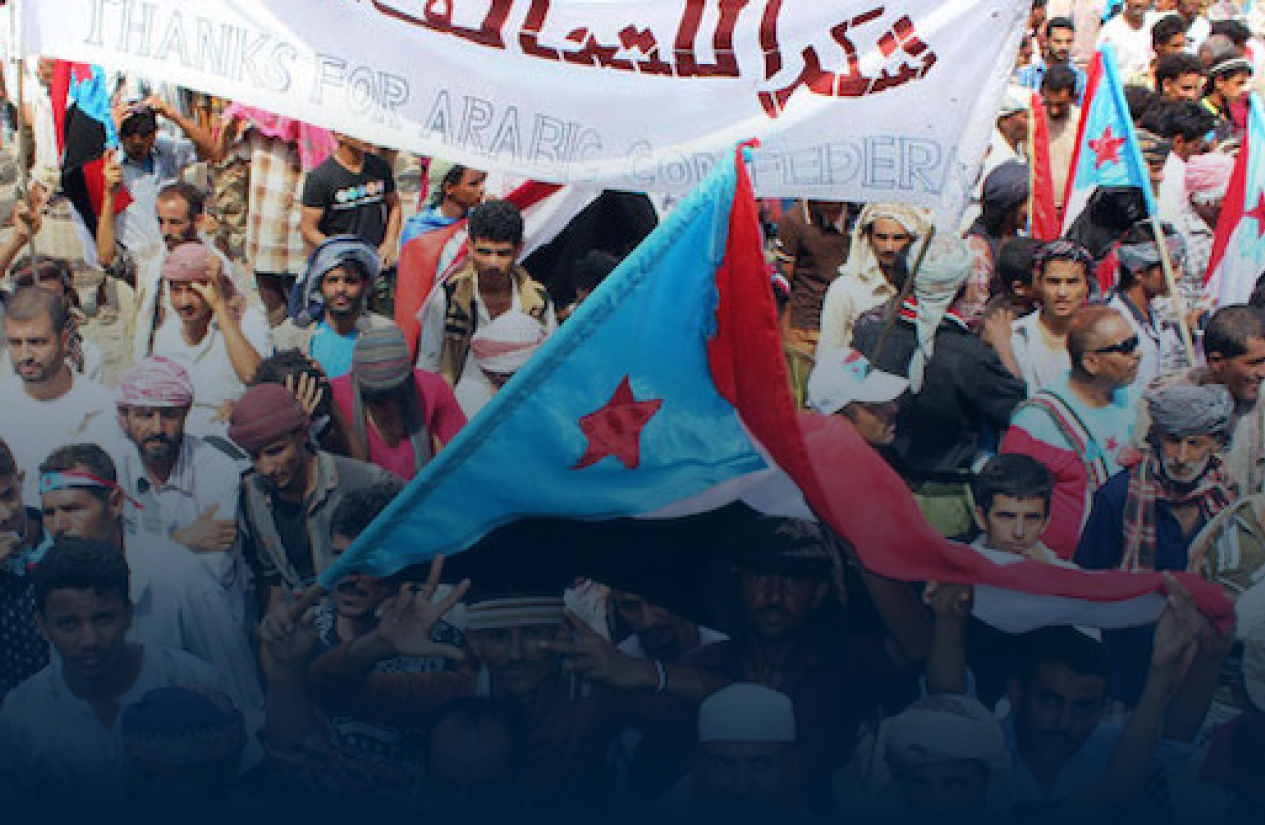

The discussed incident occurred
against the background of rising tensions in the anti-Houthi alliance between
the government forces supported by Saudi Arabia and separatists supported by
the UAE in Yemen. Air attacks on the Southern Transitional Council (STC) by the
Saudi-led alliance in the Southern Yemen province of Dhale, January 7, 2026.
This was one day after the Presidential Leadership Council (PLC) of Yemen
dismissed the STC leader Aidarus al-Zubaidi, on the grounds of treason and
collusion with Houthi rebels. Al-Zubaidi also left the country, which resulted
in the separation of the former allies, Saudi Arabia and the UAE, as the two
nations engaged in a deadlock within Yemen since 2015.
What occurred:
The assault was a
response to the ruling of PLC declaring al-Zubaidi out of his job as council
vice president. He was charged with treason because he took action to unravel the
coalition against the Houthis in favor of groups backed by Iran. The action
intensified the political and military tension of southern Yemen, where the STC
is seeking to get more autonomy or independence. Saudi Arabia has assisted the
internationally recognized Yemeni government with military aid and funding; the
UAE is one of the major sponsors of the STC, who have trained, financed, and
given military support. This is where this coalition, which was formed to combat
the Houthis,s is disintegrating.
Over 15 strikes were
reported to have been directed at STC military camps, convoys, and positions in
Dhale province. The attacks were considered to be pre-emptive attacks against
the enemy STC forces that were congregating in the region. The Coalition would
be checking on these targets and launching attacks on them with the Yemeni
government forces to prevent the escalation. According to TASS sources, at
least 30 people were killed. Salah bin Laghir, a STC leader, reported that
their camps had been targeted in the attacks, and the casualties of their
forces were high. The violence has worsened the humanitarian crisis in Yemen,
where over ten years of war have displaced millions of people and led to
famine. Dhale has a high probability of being damaged in terms of civilian
infrastructure, but there is not much information on non-combatant casualties
as per the initial reports.
This is a bright illustration of the
failure of the anti-Houthi coalition. Days before, on January 3, 2026, the UAE
requested a peaceful resolution during the crisis, where the southern
separatists of Yemen supported the dialogue initiatives of Saudi Arabia. The
strikes, however, indicate there is a potential shift to open war between
Emirati and Saudi proxies. Social media real-time updates, including X
(previously Twitter) ones, report on bombing each other by former allies, with
videos showing massive attacks on the positions of the STC.
The attacks have created anxieties
about the stability of the region, and the widening rift between Saudi Arabia
and the UAE is heightening the chances of further expansion of the war in
Yemen. The Houthis did not respond immediately, but the distraction may be to
their benefit. The U.N. and the U.S. have not made new statements yet, as of Jan
7, but the continued peace efforts (including the 2022 extension of the truce)
are threatened. The episode underscores the precarity of power-sharing dealings
in Yemen and the mismatched interests of external powers, which are threatening
to make all-out civil war a reality.
The Pakistani efforts for peace in
Yemen.
The approaches of Pakistan to Yemen
have always been neutral yet peace-motivated and have not preferred military
occupation over diplomacy. It has been publicly supporting peace efforts by
Saudi Arabia and the UAE as it embraced the mediation efforts of both nations
to restore sanity in the region. At the same time, Pakistan has urged all
parties to respect the unity, sovereignty, and territorial integrity of Yemen, and dialogue is the only way to peace, which can be sustained. In a bid to
become part of the Saudi-led military campaign that is currently underway in
2015, Islamabad has abstained from providing mediation and facilitation, which
act respective to its promise to Islamic unity and regional harmony. In recent
months, Pakistan has expressed a deep concern over the new wave of violence in
Yemen and called upon the hostilities to be stopped immediately, and a thorough
dialogue process should be initiated. Its highly balanced foreign policy - it
has been a friend to Saudi Arabia, a friend to the UAE, and an ally to Iran is
a tribute to its delicate diplomatic policy, which tries to safeguard its
interests, but supports other foreign policy through the UN-led efforts to
establish long-term peace and stability in Yemen.
In the opinion of the Islamabad Center of Peace and Education (ICPE), the recent armed conflict in Dhael province of Yemen are a very alarming reality that contributes to an already precarious political and security situation. The increasing tension between the previous partners in the anti-Houthi coalition is not only a danger to decades of years of hard-earned diplomatic gains, but also exacerbates the humanitarian crisis, as the Yemeni people remain to bear the brunt of this long-running conflict. ICPE insists on the fact that sustainable peace in Yemen could be achieved only under the conditions of preserving the integrity of the country, its sovereignty, and constitutional integrity.
In this respect, the ICPE reiterates that it will continue to support the internationally acknowledged Yemeni government, and it encourages all regional and local players not to work towards destabilizing the institutions of state and fueling internal tensions. Political differences, as noted by ICPE, should be settled by dialogue and inclusive politics as opposed to confrontation by military means. As this is a significant point, ICPE requests an immediate ceasefire, redoubling of efforts to peace efforts led by the UN, and engagement of all Yemeni stakeholders in constructive participation. The organization has emphasized that peace and education are two inseparable pillars to the recreation of Yemen- only through reconciliation, mutual respect, and investing in human development can the country grow and flourish as one, based on stable conditions, honor, and a unified, violence-free future.
_6784.jpg)