
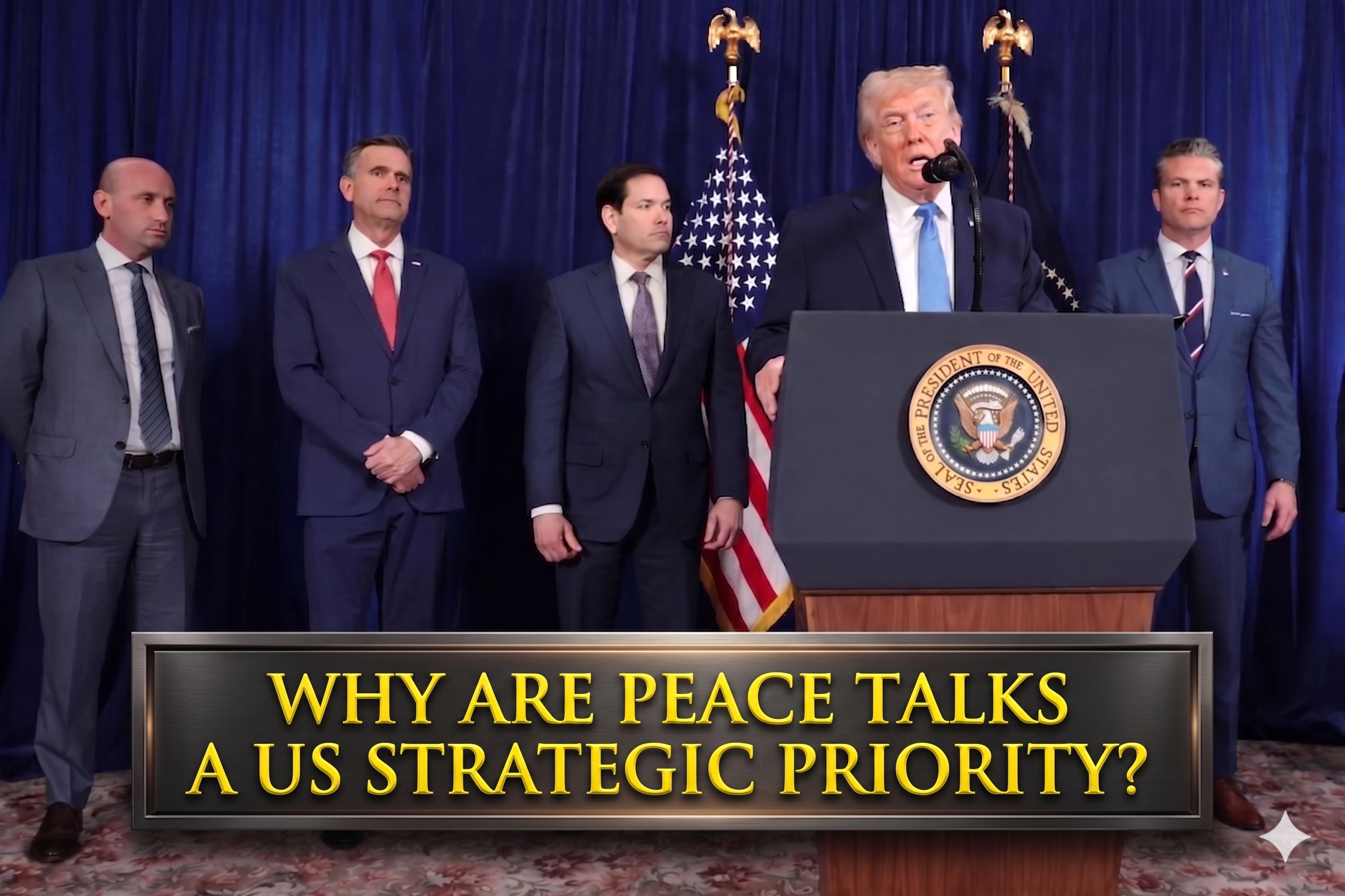

What had
been a two-week and then extended temporary truce has turned into what
Washington sees as a vital strategic need - fueled by economic, military,
diplomatic and domestic concerns.
Home
politics builds up
The war has
become more and more a liability on the home front. Polls of the American
electorate show an increasing percentage of voters are doubting the aims of the
conflict, and that the votes in favor of de-escalation are on the increase,
especially among those voters who are concerned about the long-term
consequences of overseas interventions. As midterm elections are close at hand,
it is a tangible pressure on political leaders to show restraint and seek a
diplomatic solution.
The truce
has also paved way to resumed discussions on nuclear program and development of
ballistic missiles in Iran, economic sanctions, and the influence Iran has over
the proxy forces in the region. Although the standpoints on both sides are
still very deep-rooted and at some point the negotiation process has been
stalling, the lack of open conflict is a rare chance to engage in meaningful
dialogue.
Defending
allies and towards retaliation
Allies of
the US in the Middle East, including Israel and some of the Gulf countries,
have been exposed to increased security threats during the war with missile
attacks and asymmetric warfare becoming commonplace practices in the region.
The ceasefire lowers the direct risks to these partners and it enables
Washington to reinforce deterrence structures without the burdens of having to
deal with an active warfront at the same time. The truce also lowers the
motivation of the Iranian-backed groups to conduct retaliatory attacks on US
personnel, property and even the homeland itself - giving the intelligence and
counterterrorism agencies more operational room to deal with the remaining
threats.
Balancing
the energy markets and the world economy
One of the
most pressing issues that have influenced Washington to think in terms of
ceasefire is the disruption of global energy supply via the Strait of Hormuz -
the seaside route through which nearly two out of the five oil reserves in the
world are transported. The warfare in the area led to sudden surges in the
price of oil and gas, which further exacerbated the inflation rates and
increased the prices to both the American consumers and businesses. In addition
to energy, global trade routes have been stressed by the conflict as well as
financial market volatility increased. The policymakers caution that the
ongoing battles can push already weak economies into recession, further
straining American families and causing disruptions to supply chains in various
industries.
Preventing
a broader conflict in the region
The
possibility of escalation is the issue that security analysts have always
pointed to as perhaps the most threatening aspect of the conflict. The vast
system of regional proxies led by Hezbollah in Iran creates a possibility of
the conflict growing far beyond the bilateral conflict. Gulf states and the US
allies continue to face protracted missile and drone attacks which may
overwhelm the established defense architecture. The ceasefire offers a decisive
time frame to avoid escalation that might attract a number of actors and
require a much more significant US military reaction.
The argument
by military strategists is that the fighting break is necessary not only to
contain the current conflict, but also to maintain the preparedness of US
forces. A long campaign would probably require the additional commitment of
resources, sophisticated munitions, and logistical measures, and may cost a
fortune in money and human life.
A
delicate, yet indispensable stay
Although the
ceasefire has taken place, there are still basic differences between Washington
and Tehran. Central issues, such as uranium enrichment, sanctions relief,
regional influence, and control over strategic waterways have not been bridged.
Both governments publicly have positioned the truce as a kind of victory,
although talks are tentative and sporadic. However, most analysts argue that
the ceasefire is the most realistic way ahead in a war that is costly and has
few chances of attaining decisive victories. Towards the end of April 2026 the
situation is fluid with diplomatic efforts going on despite the underlying
tensions.

_6784.jpg)