Reported by: ICEP
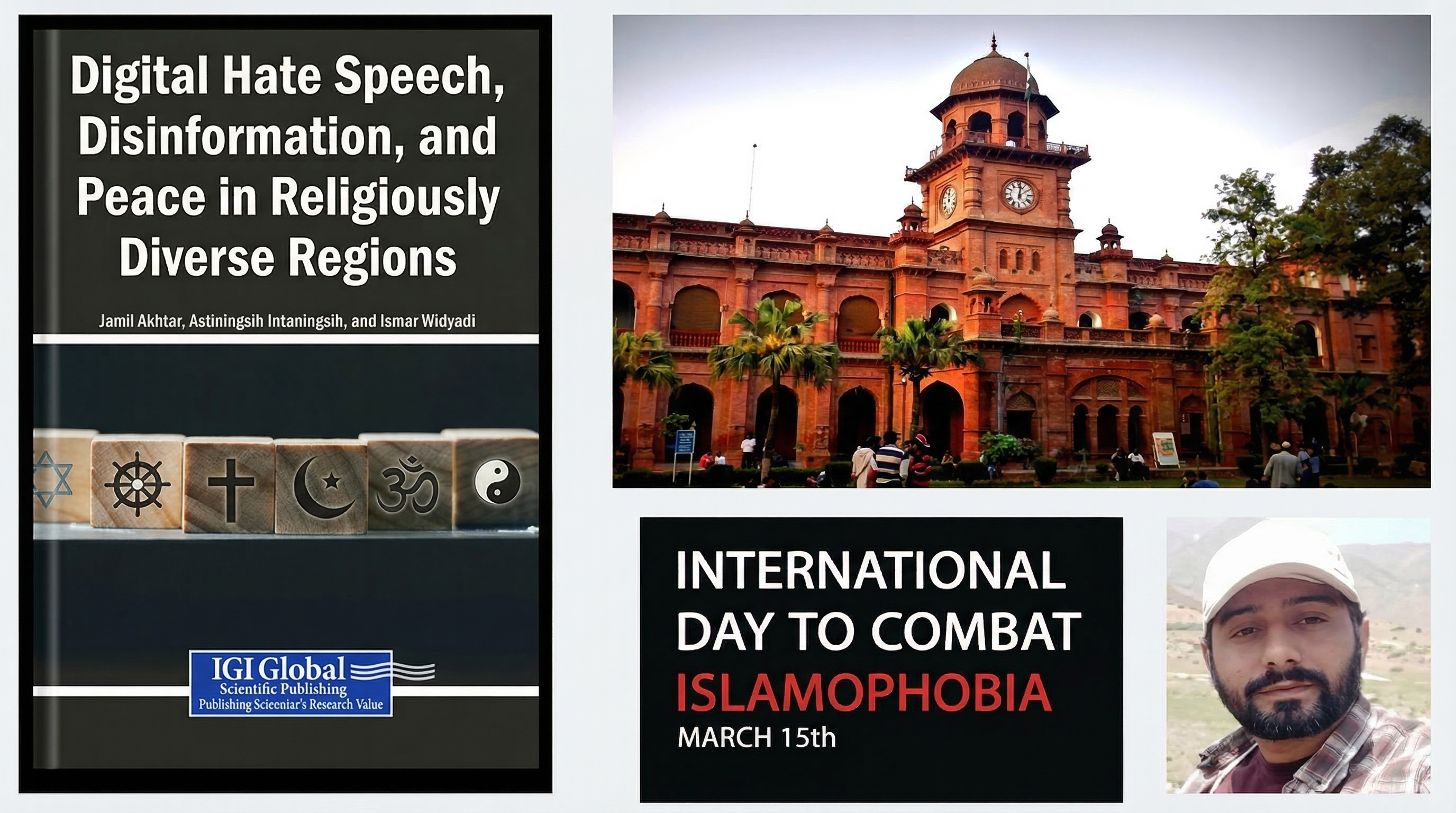
Every year on March 15, the world observes the International Day to Combat Islamophobia—a moment that calls for reflection, awareness, and meaningful action against the rising tide of hatred, prejudice, and misinformation targeting Islam and Muslims. In today’s hyper-connected world, Islamophobia is no longer confined to traditional spaces; it has evolved into a complex digital phenomenon, spreading rapidly through social media platforms, algorithm-driven content, and online networks. Hate speech, disinformation, and religious bias now travel faster than ever before, shaping perceptions and influencing societies on a global scale.
It is within this critical intellectual and global context that a remarkable scholarly contribution has emerged: Digital Hate Speech, Disinformation, and Peace in Religiously Diverse Regions, published on March 14 by the internationally renowned academic publisher IGI Global. This groundbreaking volume stands as a timely and powerful response to one of the most urgent challenges of our era.
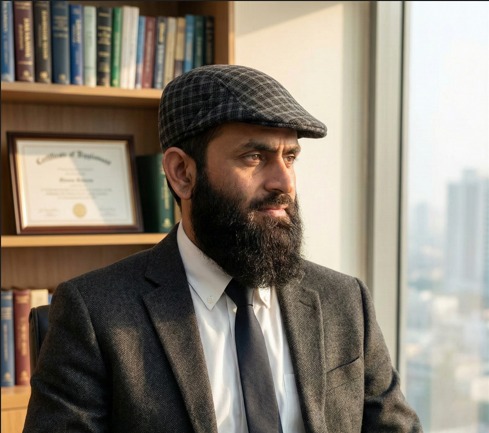
What makes this achievement particularly significant is that the book is led by a distinguished Pakistani scholar, Jamil Akhtar, who serves as the Leading Editor of the volume. Dr. Akhtar is an Assistant Professor at the prestigious University of the Punjab, Lahore—one of Pakistan’s leading institutions of higher learning. The editorial team also includes two accomplished professors from Indonesia, reflecting a truly global academic collaboration. For Pakistan’s higher education sector, this is not just an achievement—it is a moment of pride and inspiration, demonstrating that Pakistani scholars are not only participating in global academic discourse but are also leading it.
A Book of Global Relevance and Intellectual Depth
This exceptional volume offers a comprehensive and multidisciplinary exploration of digital hate speech, religious disinformation, and the prospects for peace in religiously diverse societies. It provides a nuanced understanding of how digital technologies—while offering unprecedented opportunities for communication—have also become tools for spreading division, intolerance, and ideological manipulation.
At the same time, the book does not merely diagnose the problem; it offers pathways toward solutions. Through rigorous scholarship, it highlights how digital platforms can also be transformed into spaces for peacebuilding, interfaith dialogue, and constructive engagement. This dual perspective—critical yet hopeful—makes the book a truly outstanding contribution to contemporary academic literature.
Rich and Diverse Scholarly Contributions
Comprising 12 deeply insightful
chapters, the book brings together leading scholars from across the globe,
including Pakistan, the United States, Germany, Malaysia, Indonesia, India, and
Bangladesh. Each chapter addresses a unique dimension of the issue:
This intellectual diversity not only enriches the book but also positions it as a global reference work for scholars, policymakers, educators, and students.
A Proud Moment for Pakistan’s Higher Education
The leadership of Dr. Jamil Akhtar in this ambitious international project is a powerful testament to the growing strength and global engagement of Pakistan’s academic community. His work reflects the intellectual vitality of the University of the Punjab and highlights the immense potential within Pakistan’s higher education system.
At a time when there is often a perception that scholars in the field of Islamic studies remain confined to local or traditional discourses, Dr. Akhtar’s achievement decisively challenges this notion. His leadership in producing a globally recognized academic volume demonstrates that Pakistani scholars are capable of shaping international conversations on some of the most pressing issues of our time.
An Inspiring Role Model for Future Scholars
Beyond this single achievement, Dr. Akhtar represents a new generation of Pakistani academics who are committed to bridging local scholarship with global academic standards. His work serves as an inspiration for students, researchers, and educators—encouraging them to move beyond boundaries, engage in meaningful research, and contribute to the global knowledge economy.
In an age marked by digital polarization and rising intolerance, Digital Hate Speech, Disinformation, and Peace in Religiously Diverse Regions stands as a beacon of thoughtful scholarship and intellectual responsibility. It is not merely a book—it is a call for awareness, dialogue, and action.
Dr. Jamil Akhtar’s leadership in this project is a source of immense pride for Pakistan and a shining example of the excellence emerging from its higher education institutions. Such contributions reaffirm that Pakistan’s academic community has both the capacity and the vision to lead global conversations and promote a more informed, inclusive, and peaceful world.
Book Link: https://www.igi-global.com/gateway/book/384605
_6784.jpg)