Executive Summary
In early February 2026, the IMCTC concluded a high-stakes,
week-long mission to Pakistan. Led by Secretary-General Maj. Gen. Mohammed bin
Saeed Al-Moghedi, the 17-member delegation transitioned from traditional
diplomacy into a hands-on operational partnership. This visit marked a milestone
in the Islamabad Framework, a new collaborative model that prioritizes the
psychological and social reintegration of individuals over purely kinetic or
military solutions.
Moving Beyond Hard Power
The primary objective of the 2026 visit was to align Pakistan’s
massive counter-terrorism experience with the IMCTC’s "Four Pillars"
(Ideology, Communications, Finance, and Military). Unlike previous summits that
focused on high-level security pacts, the 2026 plan was surgical. It aimed to
institutionalize a permanent training bridge between Riyadh and Islamabad,
specifically focusing on the "Ideology" pillar. The goal was simple:
to treat radicalization not just as a security threat, but as a social ailment
that requires a specialized, scientific cure.
The visit began with a high-profile meeting at the General
Headquarters (GHQ) in Rawalpindi. Maj. Gen. Al-Moghedi met with Pakistan’s Chief
of Defense Forces, Field Marshal Syed Asim Munir. Their
discussions went beyond the usual reaffirmations of friendship, focusing
instead on enhanced intelligence interoperability. This involves
standardizing how 43 member states share data on cross-border extremist
movements in real-time.
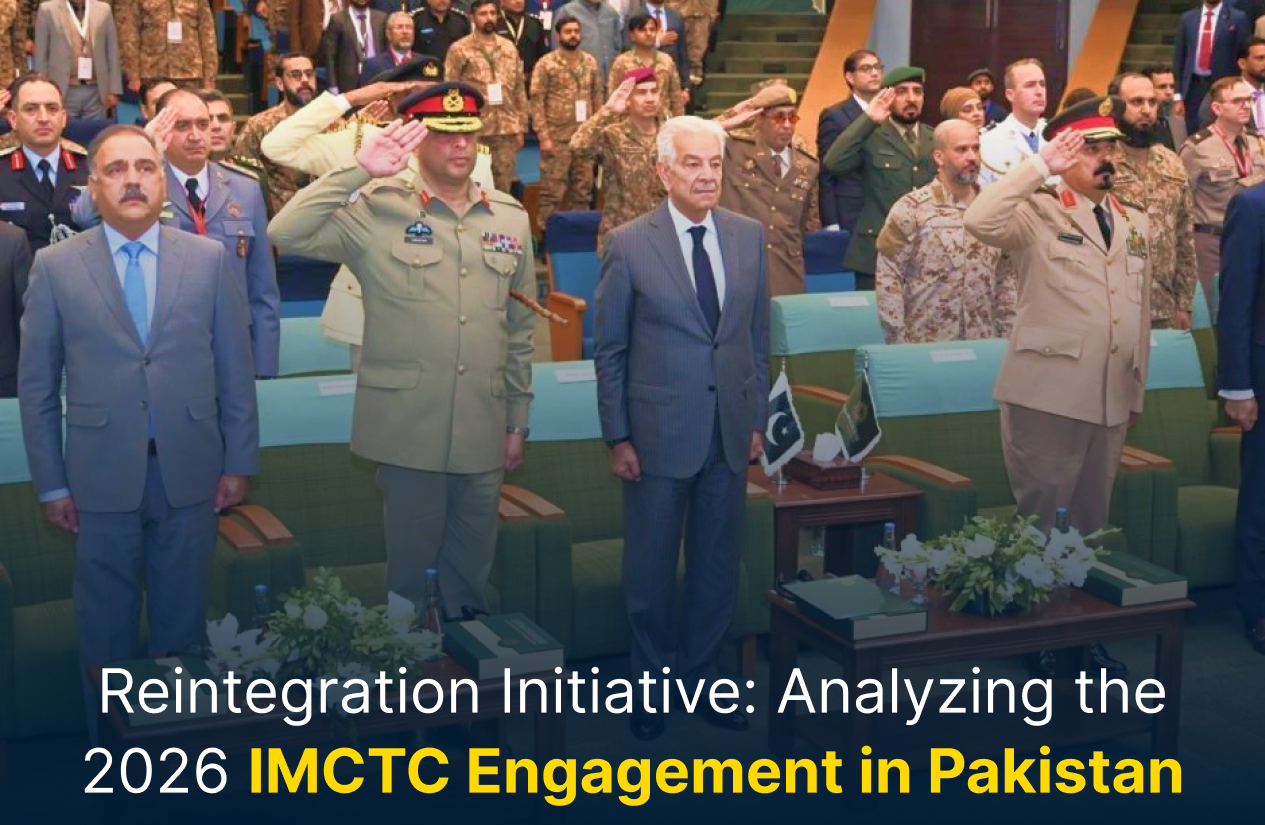
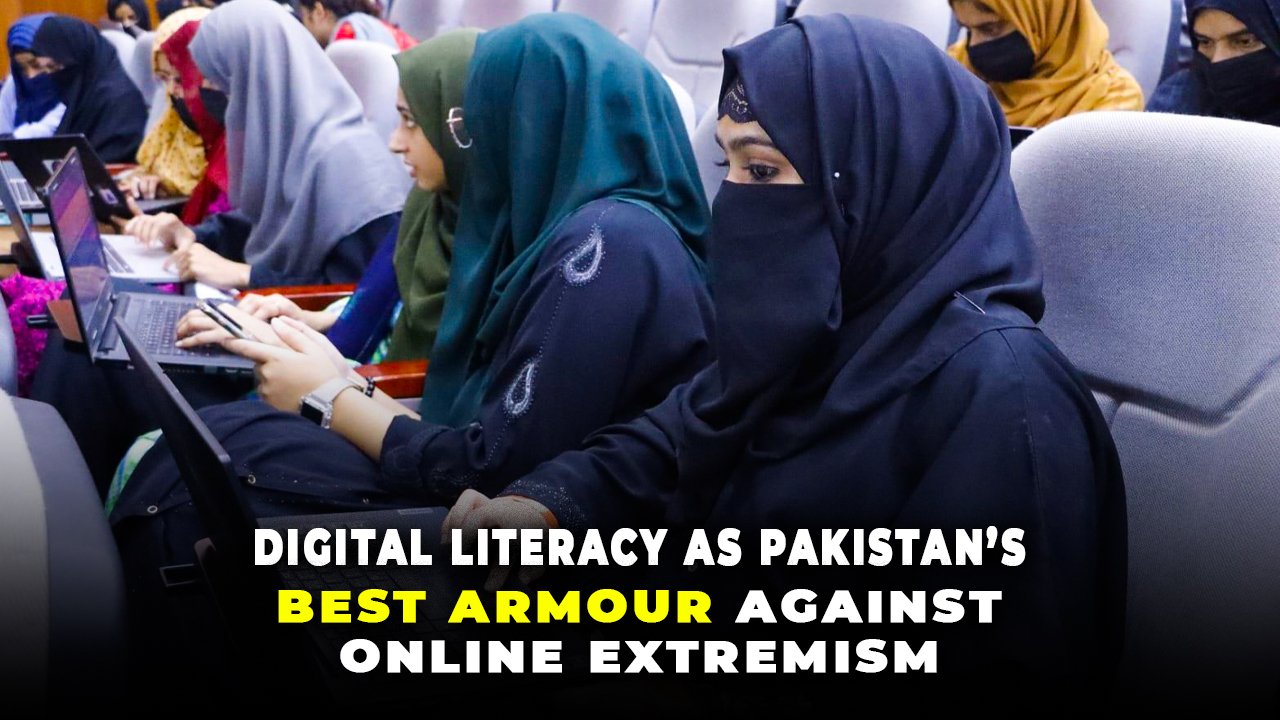
Simultaneously, the coalition launched its flagship "Reintegration Initiative" at the National
University of Sciences and Technology (NUST) in Islamabad. This five-day
intensive workshop brought together military personnel, psychologists, and
Sharia scholars. What happened here was unique: rather than a lecture, it was a
practical lab. Participants were trained in "Forensic Discourse
Analysis" to deconstruct extremist recruitment narratives and were
provided with psychological recovery models to help former radicals transition
back into civilian life.
The Islamabad Framework
The most tangible result of the visit was the formalization of
the "Islamabad Framework" for Deradicalization.
This is a standardized manual for member states that balances security
requirements with humanitarian considerations. Additionally, a core group of
Pakistani security specialists received international certification from the
IMCTC. These individuals are now authorized to act as "Master
Trainers" for other member states, effectively positioning Pakistan as the
coalition's primary educational hub for South Asian security.
Looking ahead, the expected outcomes are twofold:
·
Internal Stabilization: By moving toward a
"reintegration" model, Pakistan can reduce the cycle of recidivism.
When individuals are successfully rehabilitated and monitored through the
IMCTC’s scientific framework, the risk of sleeper cells re-emerging is
significantly diminished.
·
The Regional Signal: This collaboration serves
as a powerful signal to the international community, including the UN. It
demonstrates that the Islamic world has a unified, professionalized
architecture capable of managing its own crises. It is expected that by late
2026, the "Islamabad Framework" will be exported as a blueprint for
other frontline states like Somalia and Nigeria.
A New Era of Collective Security
The February 2026 visit proves that the IMCTC has matured into a "Security Service Provider." It is no longer just an initiative; it is an organization that builds capacity. For Pakistan, this partnership provides a sophisticated layer of "Soft Power" defense. For the IMCTC, Pakistan remains its most battle-hardened and essential partner in South Asia. The success of this visit suggests that the future of counter-terrorism in the region will be defined not by the number of soldiers deployed, but by the number of specialists trained to win the battle of ideas.
_6784.jpg)