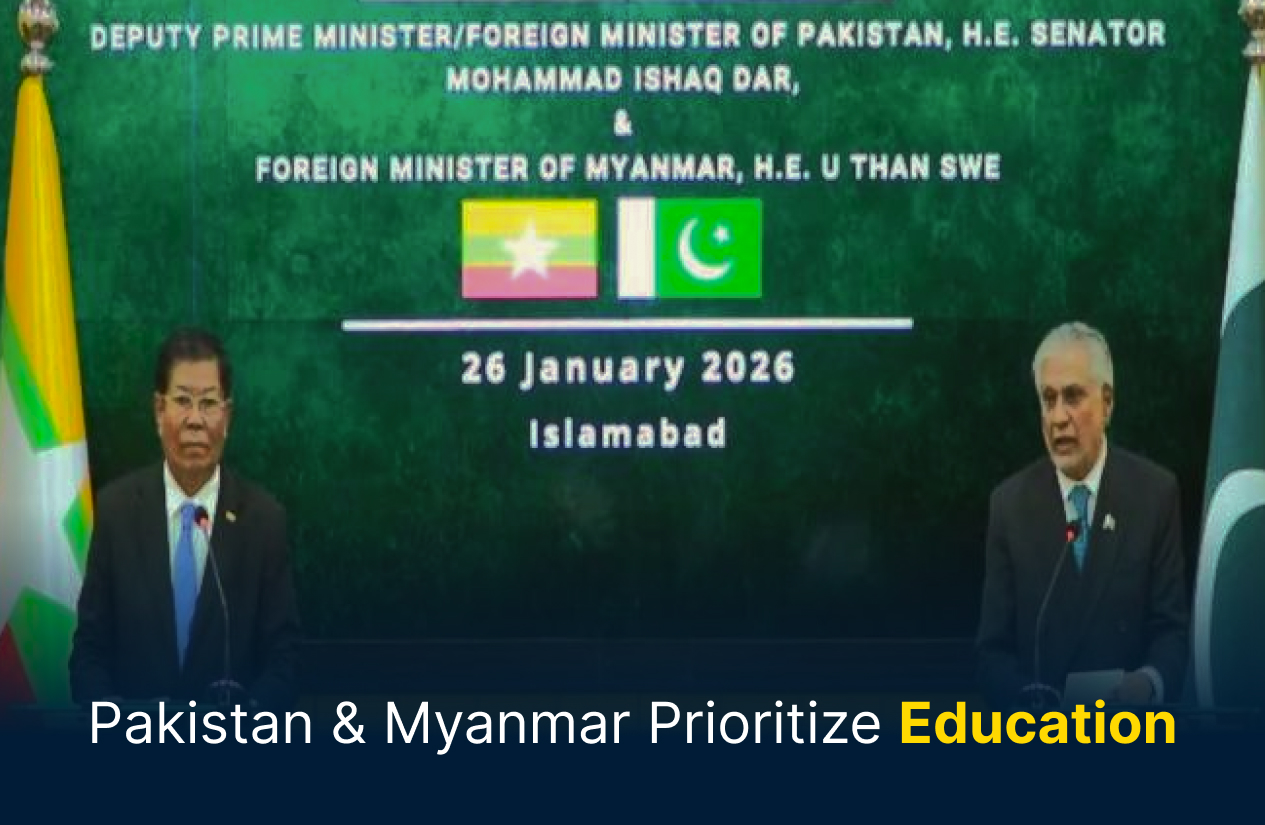
Islamabad - Marking a new beginning in their bilateral
relations, Pakistan Prime Minister Shahbaz Sharif on Saturday hosted the
visiting Foreign Affairs Minister of Myanmar, Than Swe, for dinner and talks at
his Jati Umra estate residence. During the meeting, both sides agreed on the
need to further enhance cooperation between Pakistan and Myanmar in various
fields, including education, culture, and people-to-people exchanges, a marked
departure from their earlier declarations that spoke of trade links and
security issues.
Renewed
Vision for Education Cooperation
During the high-level talks, Prime Minister Shahbaz Sharif emphasized
Pakistan’s desire to further deepen historical relations with Myanmar through
mutually beneficial cooperation in education and culture. He underlined that
academic collaborations and student exchanges are important elements in an
effort to inculcate mutual understanding and trust among the people of the two
countries.
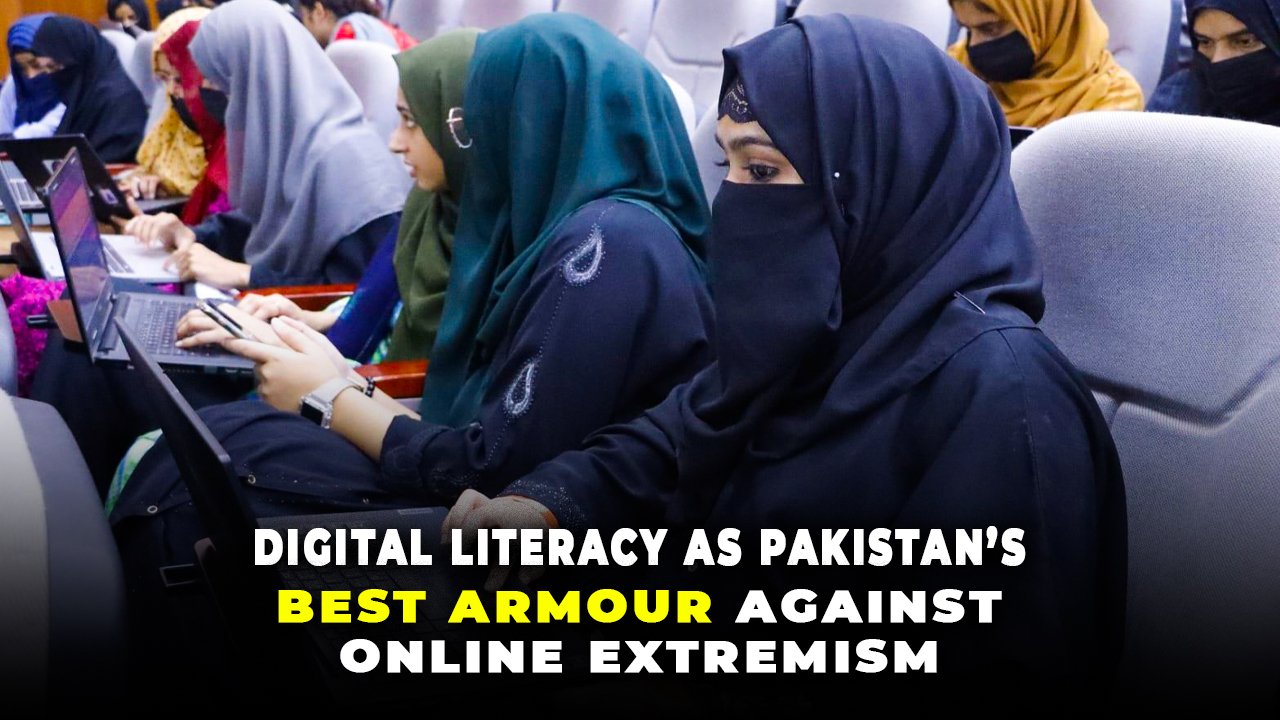
The officials also decided to encourage capacity building in academic
institutions through joint research and increase student and scholar exchange
programs. There were also demands for more youth engagement programming to foster cultural understanding and collaboration among future
generations of leaders.
People-to-People
and Cultural Exchanges
Cultural cooperation was a major element of the dialogue beyond formal
education. Pakistan expressed appreciation for the support of Myanmar and
expressed interest in studying more about Myanmar’s art forms, from classical arts
and traditional festivals, situated alongside historical linkages across South
and Southeast Asia. His Myanmar counterpart echoed these words, saying his
country would like to expand cultural exchanges and joint activities, enabling
artists, students, and children of the two countries to interact and learn from
each other’s way of life and history.
Scholarships
and Student Mobility
Islamabad's academic cooperation and student engagement indicate Pakistan’s
plan to establish a formal scholarship program or student exchange program between
the two countries soon, as it offers scholarships with other countries
remotely, with Bangladesh, Malaysia, and others adopting the idea of an
open-door policy.
Pakistan–Myanmar relations have in the past remained the subject of little
contact, in part because of their geopolitical disagreements, including over
the Rohingya crisis, despite diplomatic links. Emphasizing education and
cultural relations, the two countries are pursuing a more pragmatic, forward-looking diplomacy that respects people-centered, economic, and strategic relationships. Educational links build real connections between young
people, from studying together to shared cultural festivals and academic
conferences. In so doing, they establish goodwill that endures and is the grounds
for continued respect between nations, making more solid bridges in the decades
to follow.
Verified reports available to the media or from government press handouts have
not published detailed enrollment figures or scholarship numbers for Myanmar
nationals in Pakistani universities. It is evident from broader global
education figures that many Myanmar students study abroad because of problems
in the higher-education infrastructure of their home country. For instance, a
more general international data report suggests that in 2022, over 17,000 Myanmar students were studying across different countries, indicating a
strong indication of international educational migration from Myanmar. Pakistan’s specific share was not confirmed, though.
Sustainable bridge:
Why can’t educational and cultural ties between Pakistan and Burma be a
consistent source of promoting mutual understanding between people, rather than
political fluctuations? That is the question being asked by the Islamabad Center
for Peace and Education. The Center has concluded that formal scholarship
programs, university-to-university partnerships, and youth-oriented cultural
initiatives could make an essential difference in restoring trust, advancing
regional connectivity, and rooting people-to-people ties for the long term
between Afghanistan and Pakistan.
_6784.jpg)