_and_the_Peace_Dimension_6092.jpg)

Pakistan experienced a substantial increase in its defense exports from 2024 to 2025, securing contracts worth approximately $10-12 billion from several
countries. These contracts represent Pakistan’s development in the global defense trade and highlight the challenge of reconciling strategic and commercial interests on the one hand with peace and regional stability objectives on the other.
Major Confirmed Contracts
Libya – $4.6 billion
Pakistan has concluded one of its largest-ever defense export
deals with the Libyan National Army (LNA) estimated to be worth between $4
billion and $4.6 billion for JF-17 Thunder fighter jets, Super Mushshak trainer
aircraft, and land, air, and naval equipment that will be supplied over
approximately 2½ years. This agreement, signed amid Libya’s continued turmoil,
demonstrates Islamabad’s desire to expand the kinds of goods it exports and
also raises questions about peace building and security in conflict zones.
Azerbaijan – $4.5 billion
Azerbaijan also signed a huge contract for 40 JF-17 Block
III multirole combat aircraft, ensuring even closer defense cooperation and
growing Pakistan’s influence in Eurasia. This deal is one of the biggest in
Pakistan’s export history and signifies greater strategic cooperation between
the two countries.
Sudan – $1.5 billion
Islamabad is close to a $1.5 billion deal to sell weapons,
including Karakoram-8 light attack planes, over 200 drones, and ultra-modern
air-defense systems in the Kingdom. Despite being framed to strengthen Sudan’s
defense capacities, the deal has also been criticized, given a prolonged
internal conflict and humanitarian crisis, highlighting how arms transfer
linkages interact with peace dynamics.
Other Emerging Deals
While Pakistan's trade relations with the following
countries are not fully shared, it is engaged in actively pursuing or has
supplied them with defense products, thus widening its export footprint.
Zimbabwe – Pakistan supplied Super Mushshak trainer aircraft and other
cooperation.
Iraq, Saudi Arabia, Nigeria, Myanmar, Morocco, Turkey, and
Bangladesh – there’s still one of those who having the discussion or
negotiations or delivery ongoing with its fighter jets/military trainer
aircraft/anything like that. Discussions with Bangladesh also centered around
JF-17 Thunder jets and Super Mushshak aircraft under the prospect of defense
cooperation.
Strategic Implications
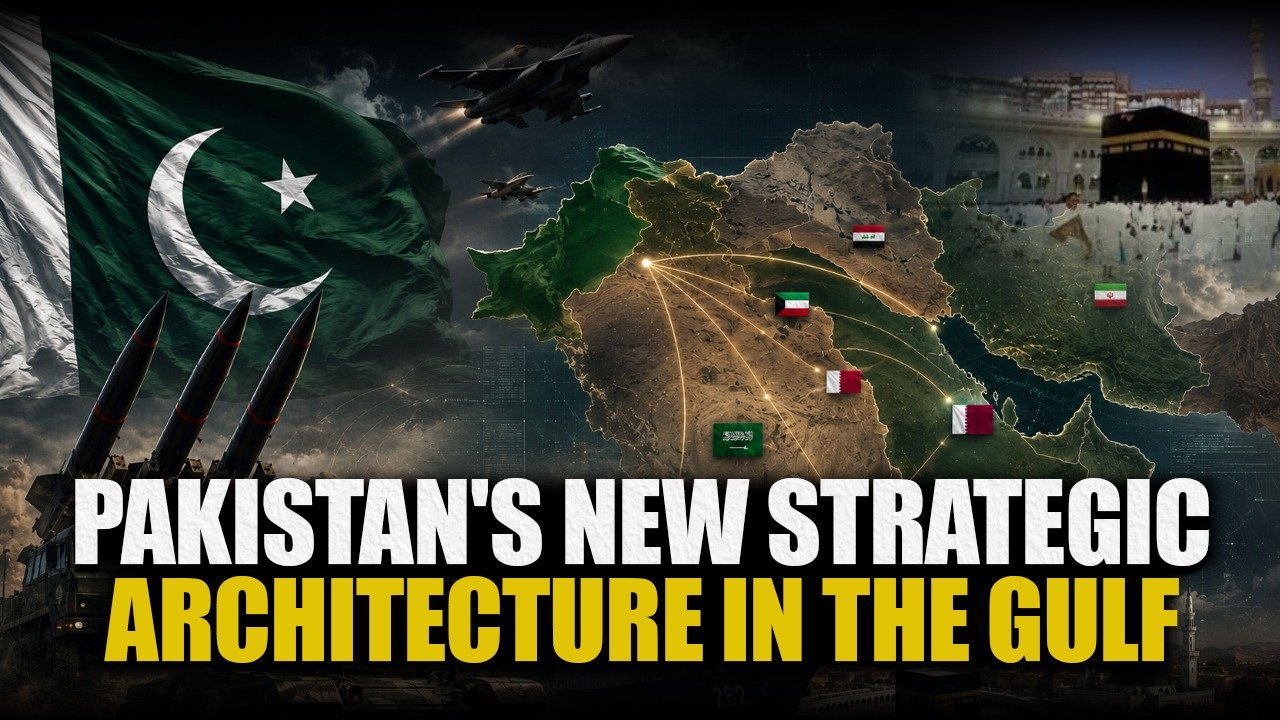
According to the reported data, Pakistan’s foreign defense
contracts for 2024-25 are estimated to be between $10 billion and $12 billion —
an all-time high in its history of weapon sales — confirming its status as one
of the major players in the global arms trade. The sales involve both combat
aircraft, trainer planes, and drones, as well as the ancillary systems that
come with it to equip any aspiring air force.
Peace, Stability, and Pakistan’s Role
Though these contracts highlight Pakistan’s industrial and
diplomatic clout, they also raise significant questions over peace and
security:
·
Defense exports can
contribute to national industry and economy, but among them, there should
be sensitivities for not arming conflicts or destabilizing peace processes in
sensitive areas.
·
Pakistani policy abroad is
enshrined in the constitution, which guides peaceful coexistence and the
resolution of disputes. While it continues to grow its arms sales, Islamabad
remains haunted by the need to match the trade with a new, broader peace agenda
and not let arms sales make instability worse or hamper diplomacy.
·
Many recipient countries
are also being directly influenced by conflict or geopolitical struggles. In
these circumstances, Pakistan’s external trade should be coupled with dialogue
and cooperation mechanisms that prioritize de-escalation and
confidence-building amongst adversarial nations.
The Islamabad Centre for Peace and Education (ICPE) appreciates Pakistan's
significant growth in defense exports as an indicator of its industrial
development and the expansion of international cooperation. But ICPE also notes
these advances must be tempered with the country’s traditional role as a beacon
of peace, diplomacy, and regional security.
Defense trade serves the purpose of nation-building, but it should be
pursued without causing conflicts or sabotaging peace-building exercises in
unstable regions. ICPE calls for Pakistan to incorporate rigorous ethical
barriers in its defense diplomacy and restrict exports based on international security
norms,s fostering conflict prevention.
Conclusion
The defense export boom in Pakistan is a testament to its acquired proficiency and strategic relationships on more than one continent. But chasing such contracts cannot precede the imperative need for peace, responsible diplomacy, and a respect for regional equilibrium. Through the incorporation of peace-based policies as part of its military trade engagements, Pakistan can safeguard economic interests while simultaneously prevailing upon its legacies an advocate for peace in global politics.
_6784.jpg)